In the era of smart construction, the integration of mobile asphalt batching plants and fixed asphalt batch mixing plants into a unified management system is revolutionizing the asphalt production landscape. This transformation allows for real-time data sharing, intelligent production scheduling, and collaborative quality control. As contractors seek to enhance operational efficiency and improve quality, understanding these integrations is crucial for optimizing asphalt plants.
Real-Time Data Sharing for Enhanced Decision-Making
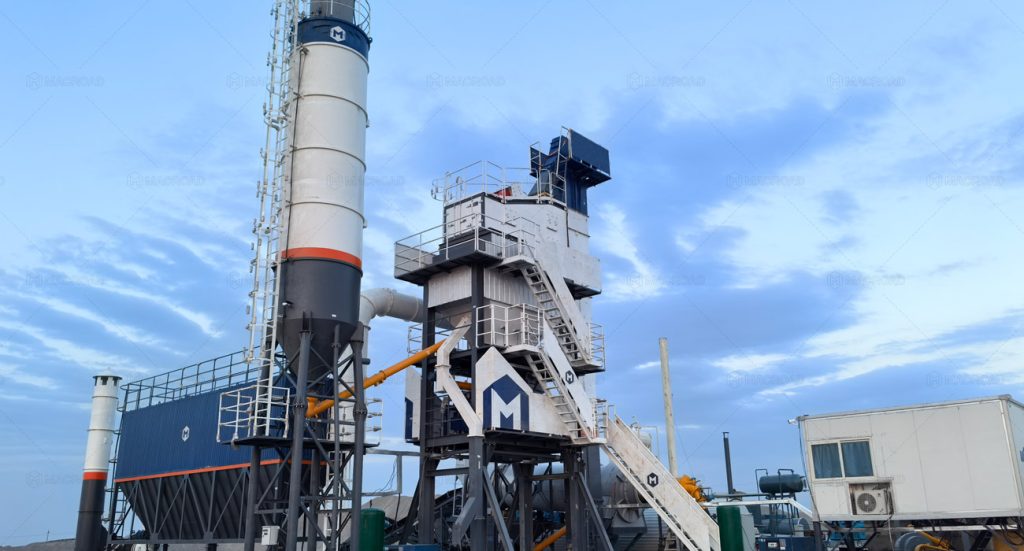
One of the key advantages of integrating mobile asphalt batching plants and asphalt batch mixing plant into a unified management system is the capability for real-time data sharing. This integration enables seamless communication between different components of the asphalt production process. For instance, real-time data on material availability, weather conditions, and project schedules are crucial for making informed decisions.
By utilizing technology to aggregate this data, contractors can monitor operations from a centralized platform. This ensures that adjustments can be made promptly, whether it involves reallocating resources or modifying production schedules. Improved decision-making directly translates into more efficient operations and minimizes potential delays caused by unforeseen circumstances.
Intelligent Production Scheduling
Intelligent production scheduling becomes feasible through the integration of mobile and fixed asphalt plants into a unified system. This scheduling involves using advanced algorithms and data analytics to optimize the production process. The system can analyze historical data, current project statuses, and environmental factors to create tailored production schedules that maximize efficiency.
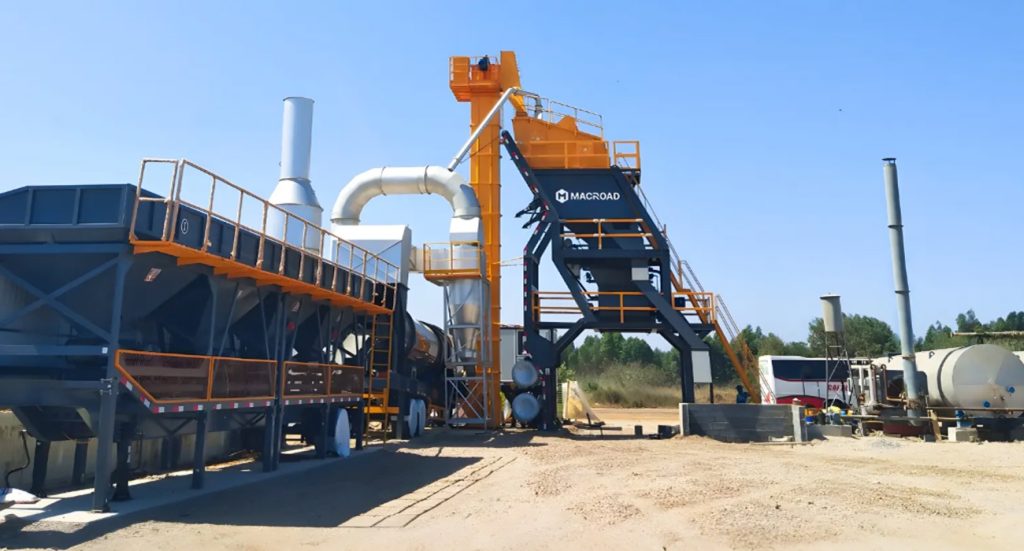
For example, when using a mobile asphalt batching plant, the system can determine the most efficient times and locations for production based on incoming orders and traffic conditions. Similarly, fixed asphalt batch mixing plants can be scheduled efficiently, taking into account existing workloads and anticipated demand. This smart scheduling minimizes operational bottlenecks and ensures timely delivery of asphalt products.
Collaborative Quality Control
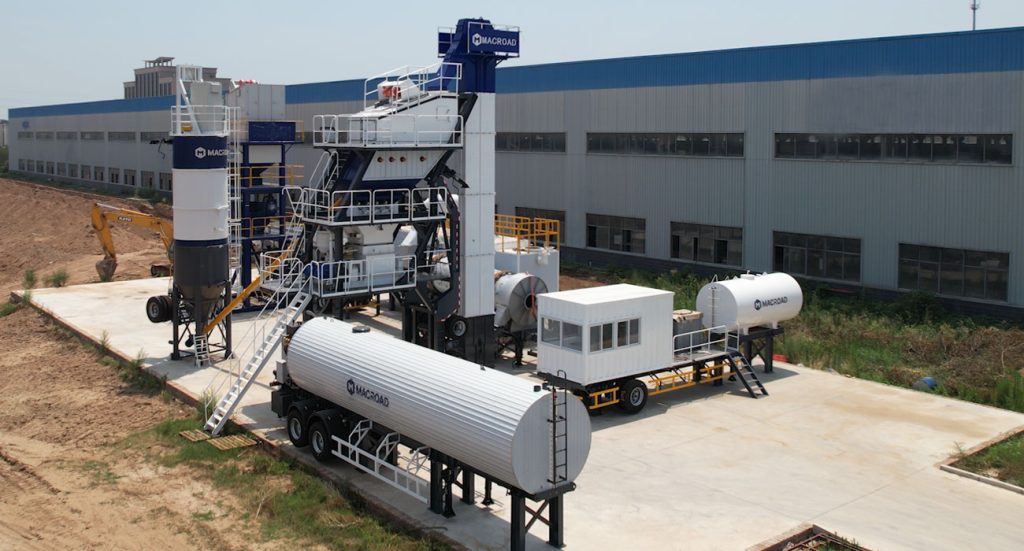
The integration of asphalt batch mixing plant into a centralized management system also enhances collaborative quality control. Quality control is paramount in asphalt production, as variations in material composition or mixing processes can lead to suboptimal results.
With a unified system, quality control teams can monitor key performance indicators in real-time, allowing for rapid identification of any discrepancies. Mobile and fixed plants can share data related to mix consistency, temperature, and other critical quality metrics. This collaboration enables corrective actions to be taken swiftly, ensuring that the final product meets industry standards and client expectations.
For instance, if a mobile asphalt batching plant identifies an issue with the batch consistency, that information can be quickly relayed to the fixed asphalt batch mixing plant as well as project managers, allowing for immediate adjustments. This level of collaboration ensures a higher quality end product while minimizing waste and rework.
Embracing Technological Advancements
To fully leverage the benefits of integration asphalt plants must embrace technological advancements. The implementation of Internet of Things (IoT) devices, cloud computing, and software platforms that allow for integration and data analytics is essential.
Moreover, ongoing training for personnel on the use of these systems is crucial to ensure effective adoption and utilization. A well-trained workforce can maximize the advantages of integrated systems, leading to enhanced efficiency and product quality.
Conclusion
In conclusion, the integration of mobile asphalt batching plants and asphalt batch mixing plants into a unified management system marks a significant advancement in smart construction. By enabling real-time data sharing, intelligent production scheduling, and collaborative quality control, asphalt plants can operate more efficiently and effectively. As the industry continues to evolve, embracing these integrations and technologies will be key for contractors aiming to stay competitive and responsive to the demands of modern construction projects.
For example, platforms like Macroad can provide comprehensive solutions for managing asphalt plant operations. By offering modules for scheduling, quality control, and data analysis, these technologies help stakeholders make informed decisions and improve overall productivity.
This proactive approach not only enhances operational efficiency but also ensures the delivery of high-quality asphalt products essential for successful infrastructure development.